Every farmer a biomanufacturer.

01The threat

The weather swings hardest where the farms are smallest.

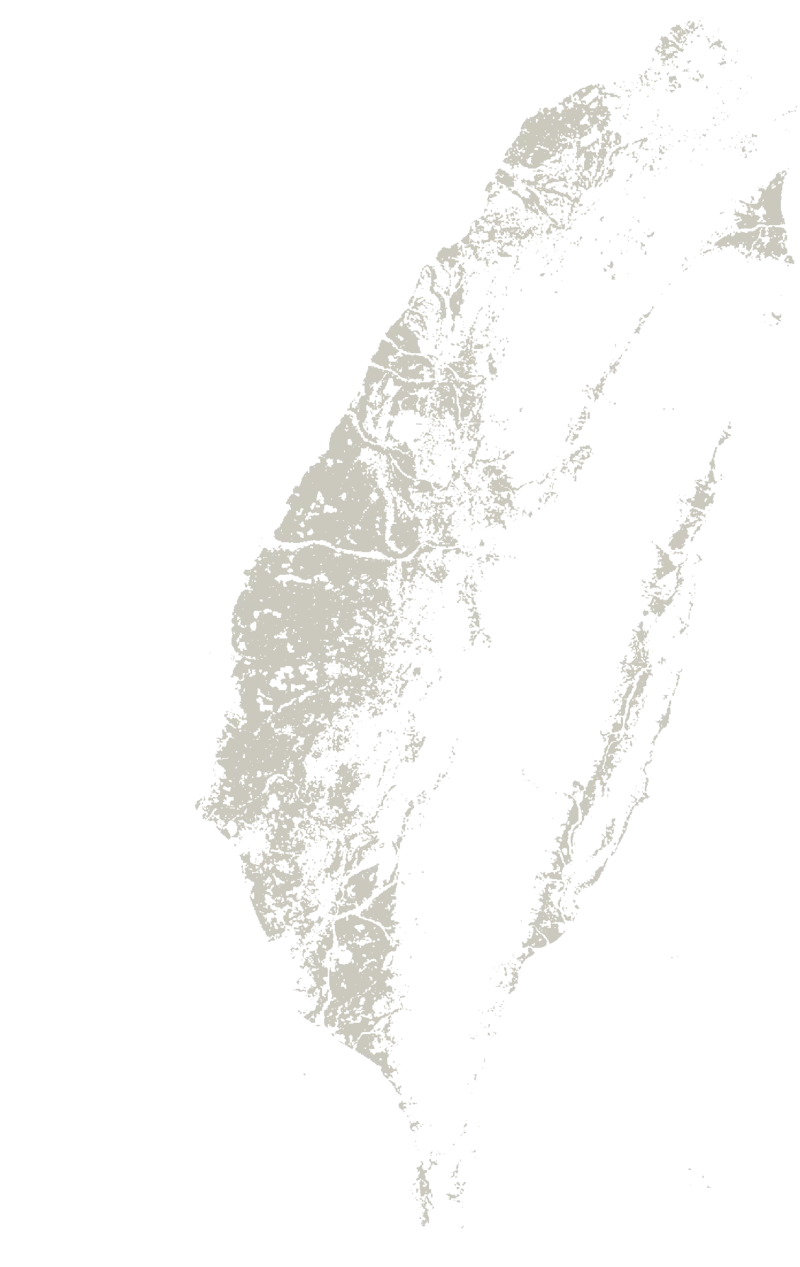
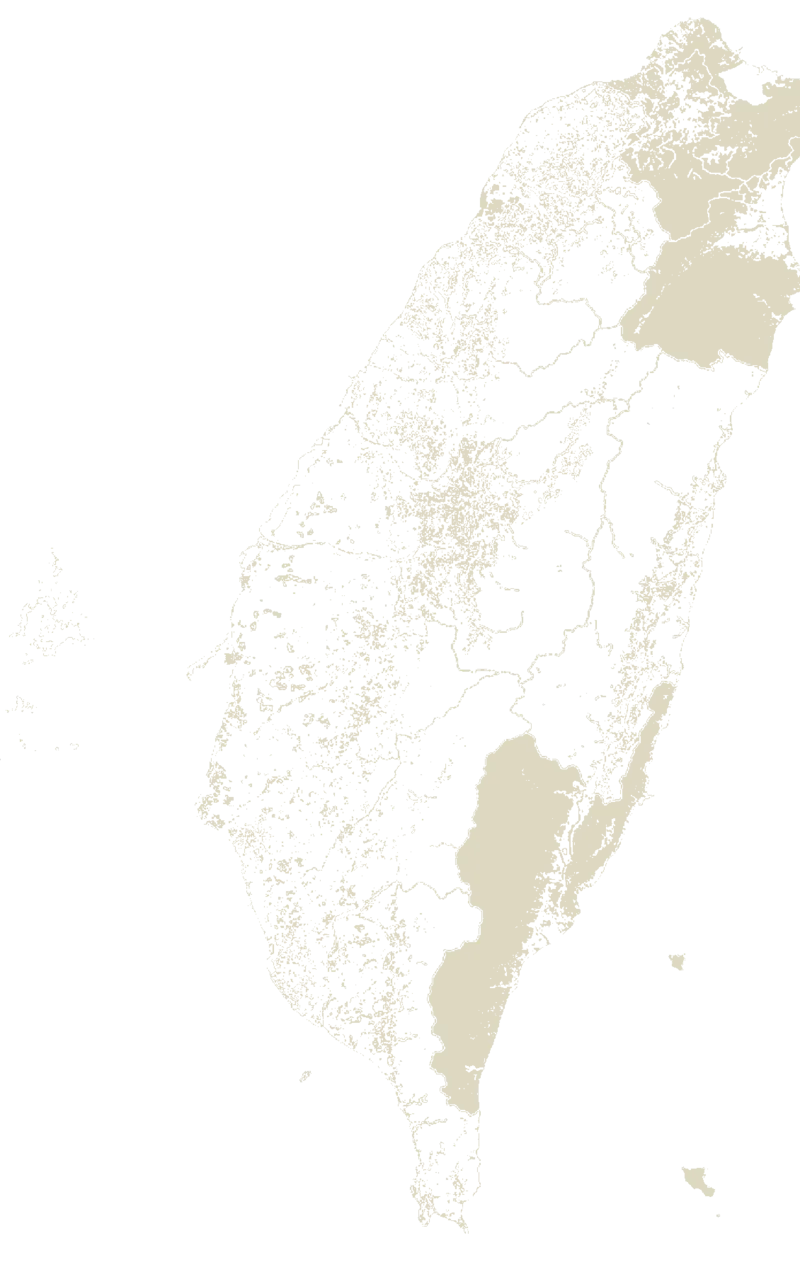
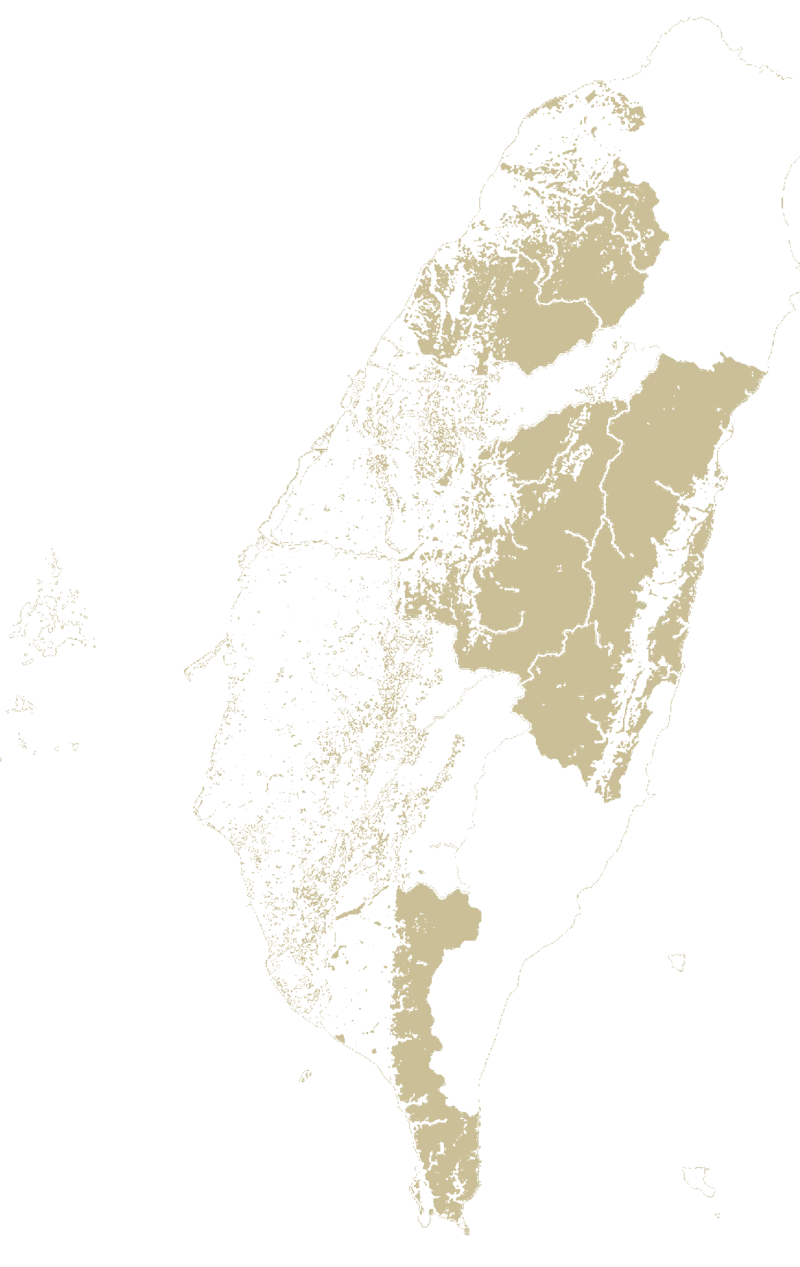
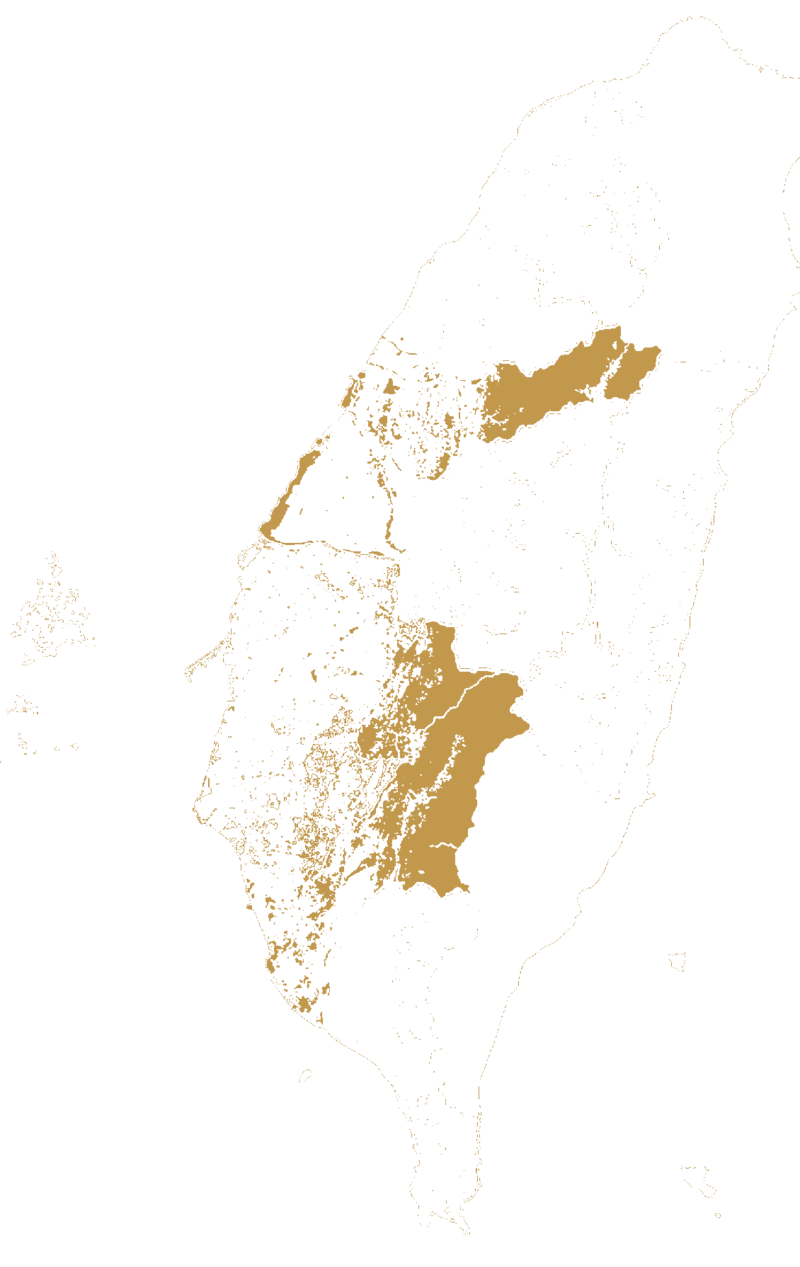
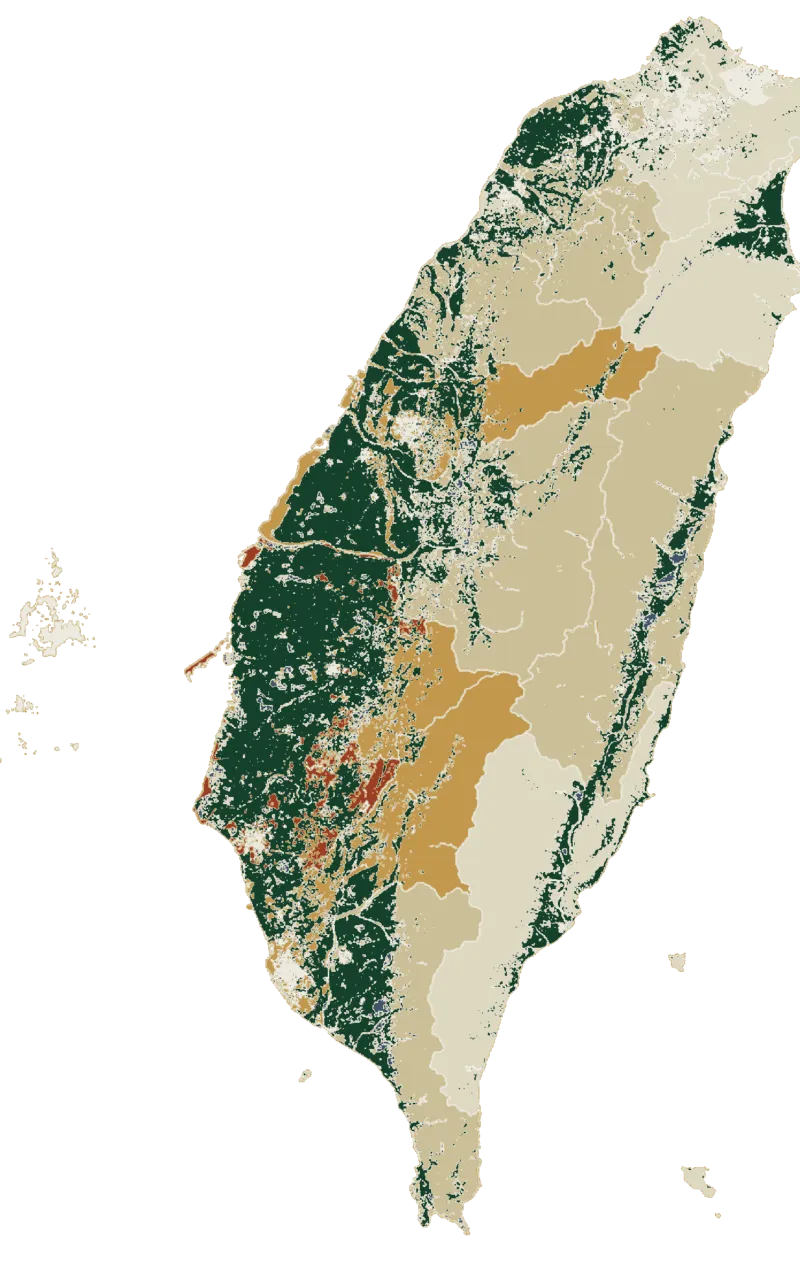
Taiwan has warmed 0.29 °C per decade since 1991. We scored each county for how far its temperature and rainfall swing, then overlaid every farm parcel on the main island.1

97%
of mapped farmland lies in parcels under 2 ha; 99.8% in the most volatile band
26.7 °C
mean July night in Kaohsiung, inside the 25–33 °C range that damages rice at grain filling
63.5
mean age of a Taiwanese farmer; over half are older than 65
0.9–1.1 ha
typical area worked by a farm household

Protection has to arrive

  • On demand
  • At the right time
  • In the right amount
Volatility index 0.380.93 Parcels < 2 ha ≥ 2 ha

02The gap

Each route in use today gives up speed, containment or quality.

A microbial protectant can be bought from a central plant, applied as living cells, or multiplied on the farm. Brazil has taken the third route furthest: since Law 15.070/2024, farms may produce bioinputs for their own use without product registration.7

  1. Central biomanufacturing

    Industrial fermentation, then purification, formulation, registration and distribution.

    • SpeedRegistration alone takes 1–3 years in Brazil, 2–3 in the US and up to 7–9 in the EU.4
    • ContainmentEngineered cells stay inside a licensed facility.2
    • QualityRegistered, batch-tested product.
  2. Live microbial inoculants

    The living cells are the product, applied to seed or soil. Made and registered centrally.

    • SpeedSame registration and supply chain as a central product.4
    • ContainmentAn engineered strain in this route enters the environment by design.3
    • QualityRegistered strain, checked before sale.
  3. On-farm biofactories Brazil

    Starter cultures multiplied beside the field, in units down to a shipping container that plugs into a farm socket.6

    • SpeedProduced on site, for the farm’s own use, without product registration.7
    • ContainmentFarm hygiene, not contained use. An engineered strain here would be released.3
    • QualityAll 18 farm-made inoculants sampled carried non-target microbes; 44% of bacterial isolates were potential human pathogens.5

Production has to be

  • On site
  • Contained
  • Quality-controlled

03The distance

A commercial biological can take a decade to reach a farmer.

Between 34% and 46% of flash droughts reach drought within a single five-day window.8 Commercial microbial products move on a different clock. Pivot Bio’s nitrogen-fixing microbes grew from university research begun around 2008, the company was founded in 2011, and its first product reached farms in 2019.9 In the EU, registration alone can take 7–9 years,4 and only four groups of organisms are admitted as microbial biostimulants.10

It goes on sale after 730 five-day windows. A flash drought needs one.

Stages in typical order. Ten years sits inside the 8–11 years of ref. 9.

Illustration: a new microbial product leaves a research centre at night and passes strain screening, greenhouse trials, multi-site field trials, scale-up, and registration review before going on sale ten years later, at dawn. 730 five-day windows pass on the way. A farmer who was 63 at the start is 73 when it arrives.

Protection has to come with

  • A shorter wait
  • Control in farmers’ hands

The problem

Protection exists. Getting it to the field takes time.

Six of the nine steps happen before a farmer is involved.

The ReLeaf team logo: a seedling-headed mascot with roots, ringed by the words GEMS Taiwan.

ReLEAF

Make it where it grows.

  • On demand
  • Right time
  • Right amount
  • On site
  • Contained
  • Quality-controlled
  • In farmers’ hands