
Every Farmer a Biomanufacturer
Empowering future farmers to combat climate change with a Stress-Responsive Optogenetic Bioreactor for Precision Plant Protection
As long as it benefits the plants and does not disrupt the balance of nature, I am very willing to try any new technology. This gives me more time to do what I love most — farming.
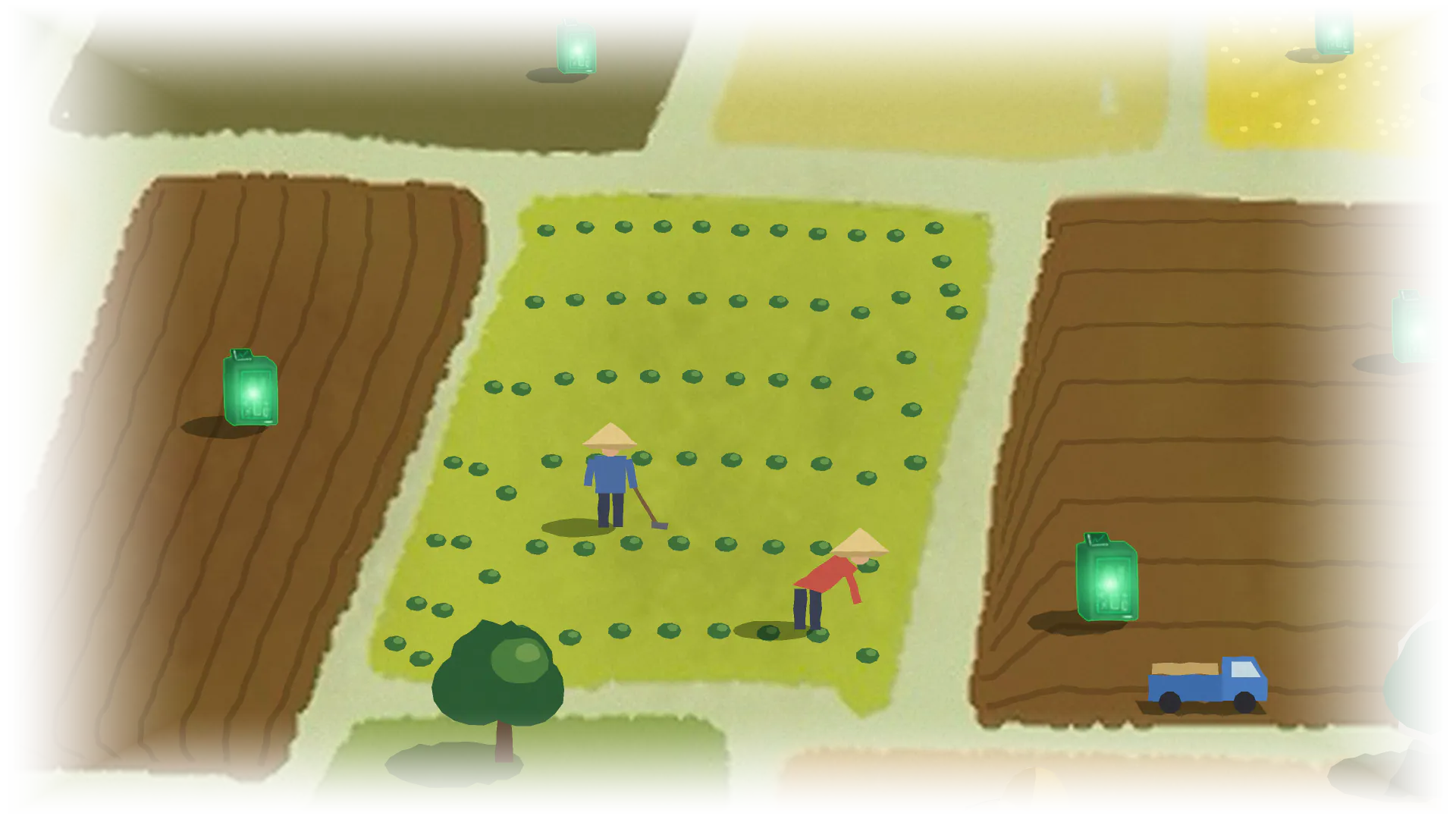
The weather swings hardest where Taiwan farms most.
-
Farmer Chen
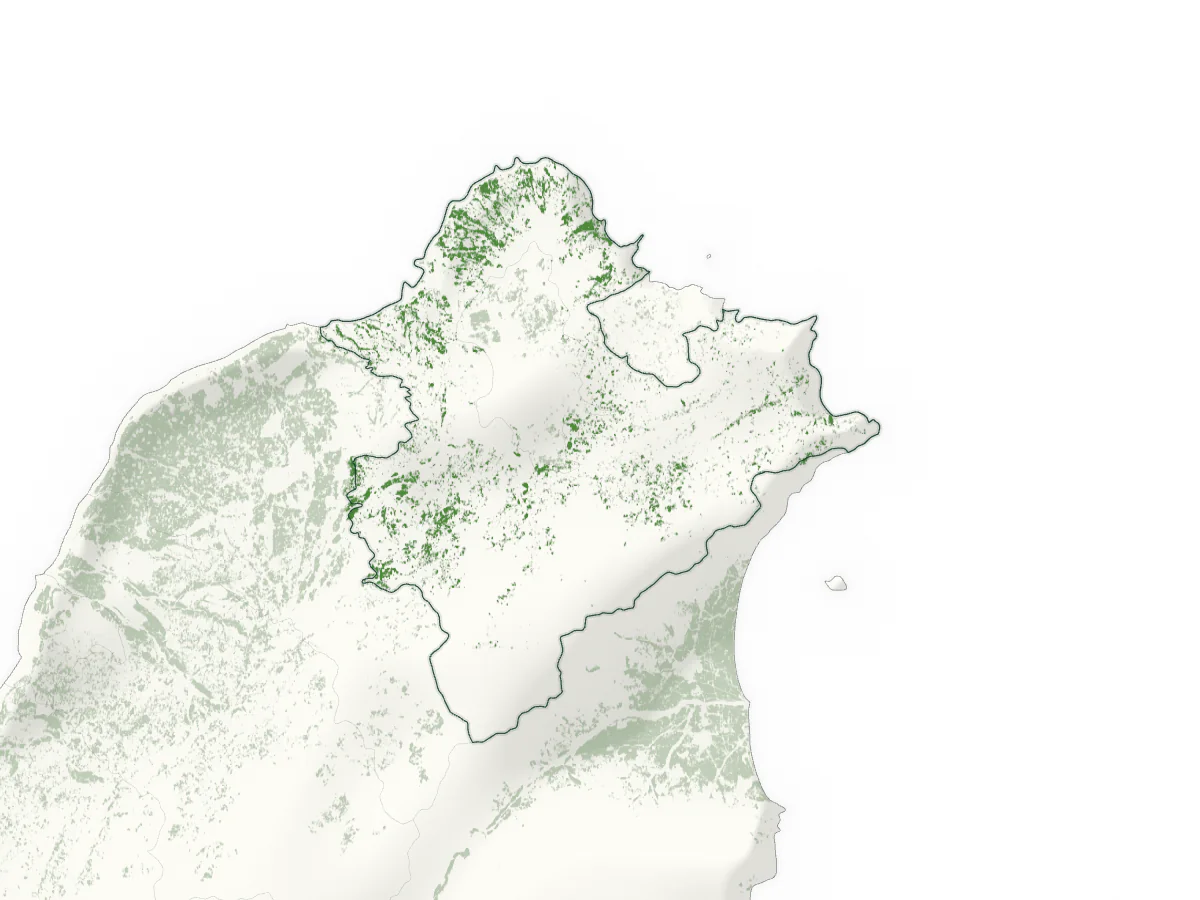
Map: close on Tamsui, at the mouth of the Tamsui River on the north coast.Farmer Chen in Tamsui told us how climate stress directly affects crop health and yield.
-
Climate volatility
Map: the western plain from Taichung to Tainan is in the two most volatile classes; the north, the mountains, the east and the far south are lower.0.29 °Cof warming per decade since 1991
Her experience reflects a larger pattern across Taiwan, where heat stress is becoming an increasing challenge for agriculture.
Climate volatility index0.380.490.600.710.820.93
-
Small-scale farmers
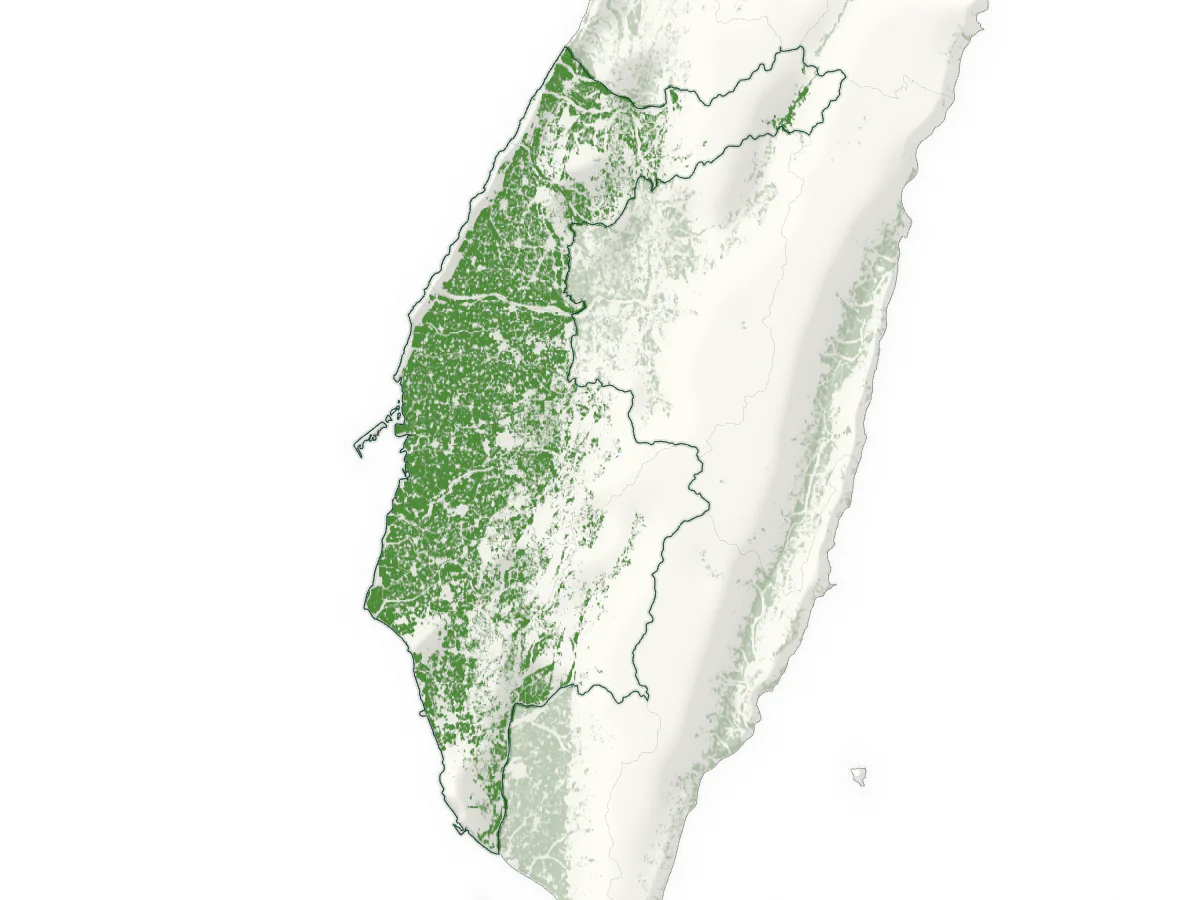
Map: the farmland of the western plain, from Taichung to Kaohsiung.99.2%of Taiwan’s farms are under 2 hectares
Together they work 85.3% of its farmland, most of it along the western plain and in the south.
Farmland
-
Where they overlap
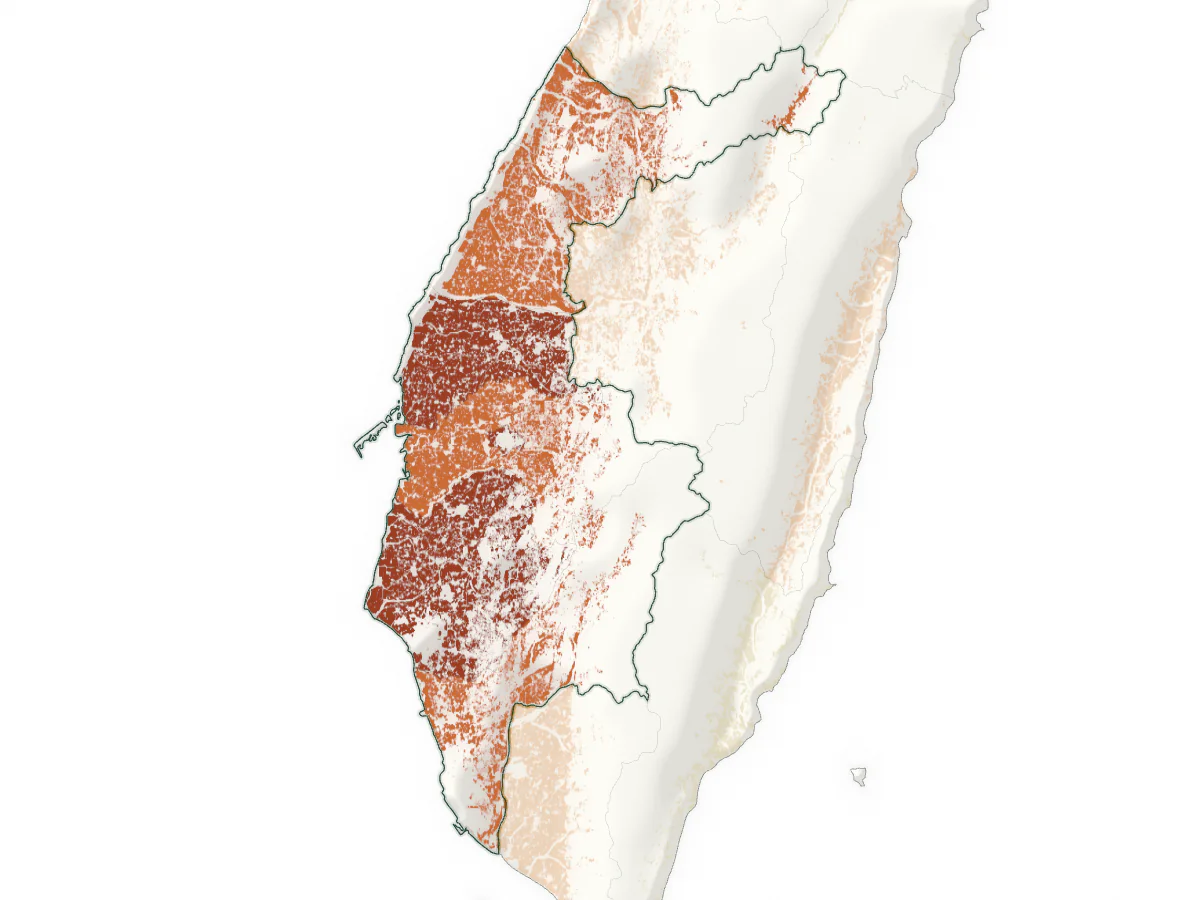
Map: the farmland of the western plain from Yunlin to Tainan is in the two most volatile classes.The challenge becomes greatest where agricultural production and climate vulnerability overlap.
Volatility, on the farmland0.380.490.600.710.820.93
-
Even when farmers see the stress, protection can still remain out of reach.
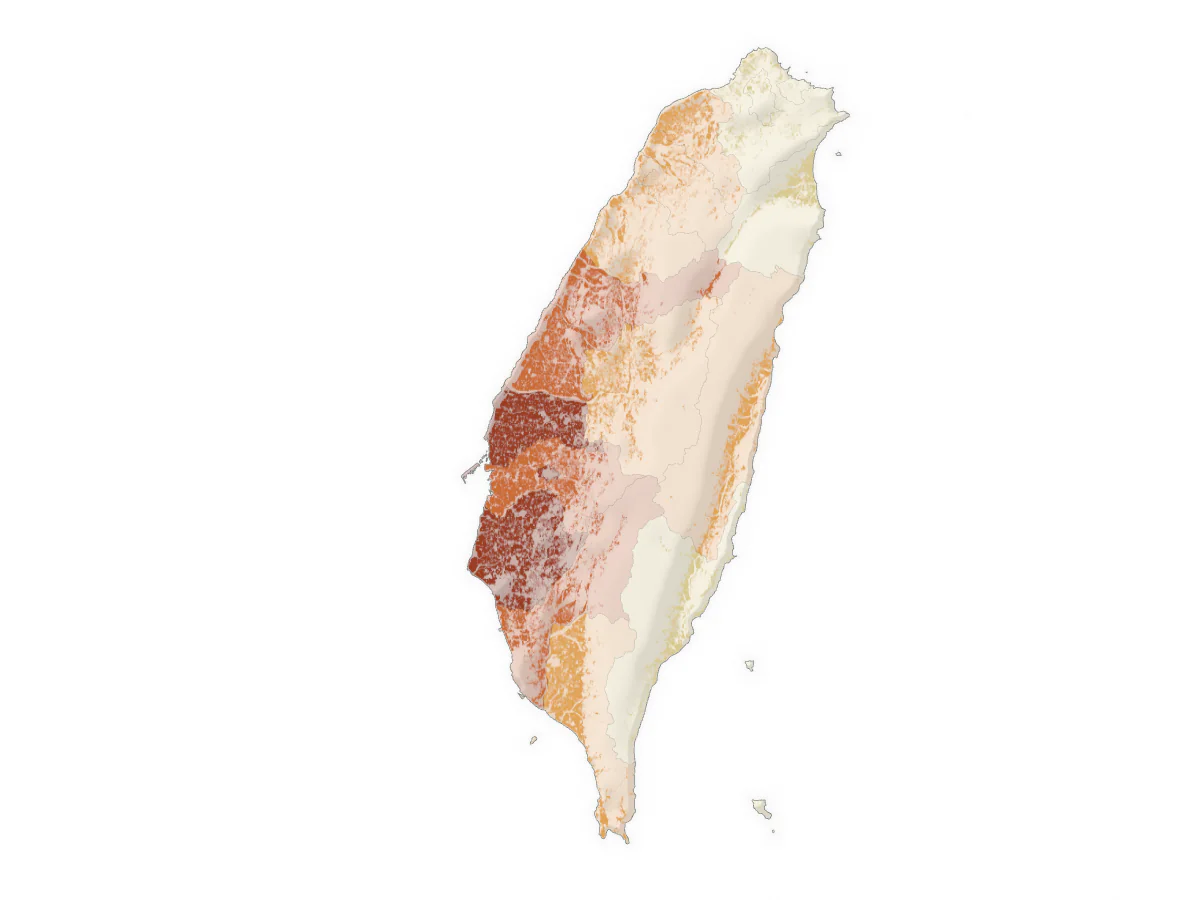
Map: the whole island, its farmland coloured by climate volatility.Protectants exist, but they are often too far, too slow, or too inaccessible for small-scale farmers.
Volatility, on the farmland0.380.490.600.710.820.93

How can we empower farmers to
detect stress earlier and access protection in time?
We believe the answer has to meet five demands.
- Protective
- On demand
- Automated
- Biosafe
- Monitored
ReLEAF
From stress prediction, protein production, separation and delivery in one integrated system.
Lights its parts in the 3D model.

Loading reactor 0%
How ReLEAF works
- Predict local stress A leaf sensor monitors leaf temperature and wetness, which combines with the weather forecast. Our predictive AIoT model then turns the data into a stress index to predict when stress will become too high for the crop.
- Green light activation When predicted stress approaches the threshold, the system activates 520 nm green light, switching on the CcaSR optogenetic circuit in engineered B. subtilis.
- Produce the protectant The engineered B. subtilis responds to the light signal by producing plant-protective proteins inside the bioreactor.
- Retain the bacteria, release the product The culture circulates through a hollow-fiber membrane that retains the engineered bacteria while allowing smaller soluble protectants to pass into the product stream.
- Delivery to the crop The protectant stream is designed to connect with hydroponic circulation or soil irrigation, bringing protection closer to the crop before stress causes greater damage.
- Switch off production Once the predicted stress has passed, 660 nm red light switches the circuit off again, reducing unnecessary protein production and metabolic burden.
Green light switches on the CcaSR circuit in B. subtilis, and the cells secrete the protectant

-
Make the pigment
ho1 and pcyA turn the cell’s heme into phycocyanobilin, which the light sensor needs.
-
Sense the light
Green light (520 nm) switches CcaS on in the membrane. Red light (660 nm) switches it off.
-
Switch the gene on
CcaS passes a phosphate to CcaR, and the CcaR dimer turns on the output gene.
-
Secrete the protectant
The cell makes the protectant and secretes it into the medium. The output slot takes multiple protectants for different plant stresses.
We didn’t shape ReLEAF in isolation.
-
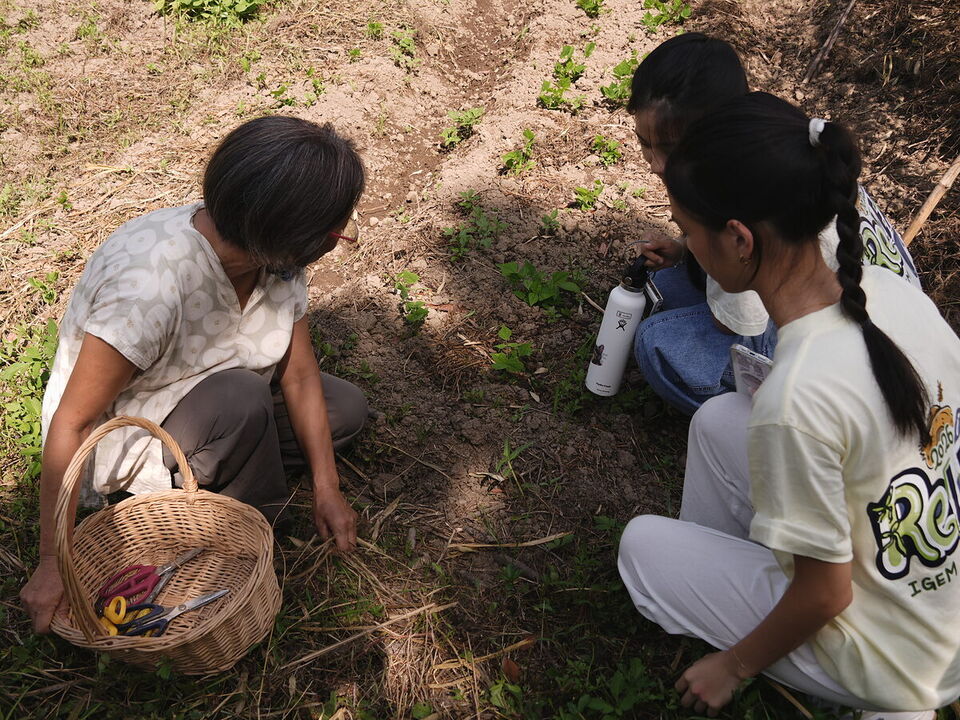
Local Farmers
Grounded us in real agricultural needs.
-
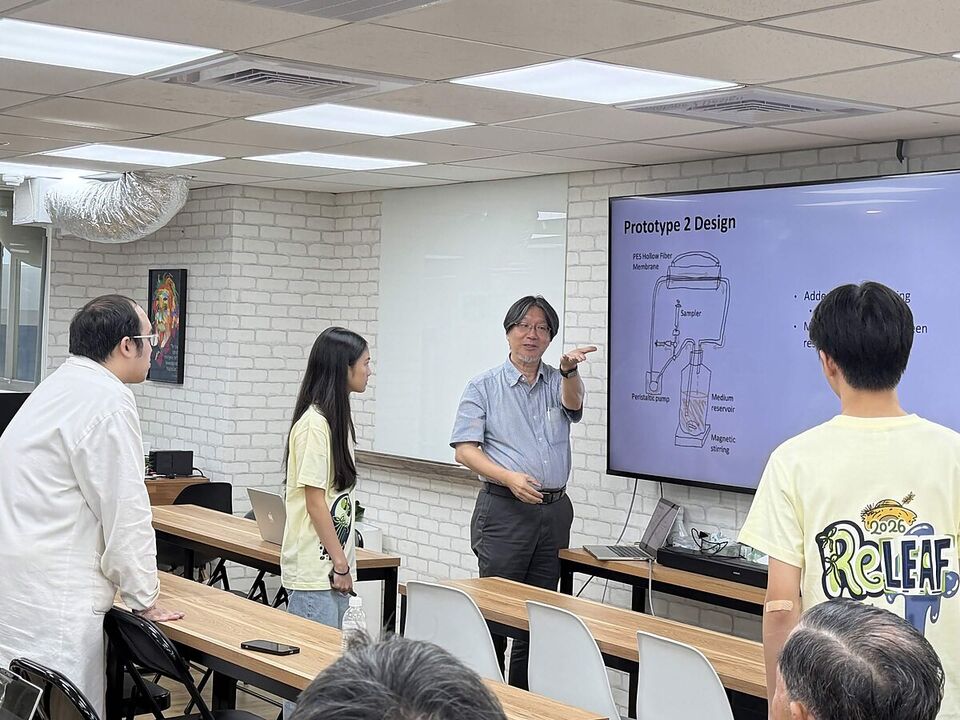
Academic Experts
Helped us refine the science and engineering.
-
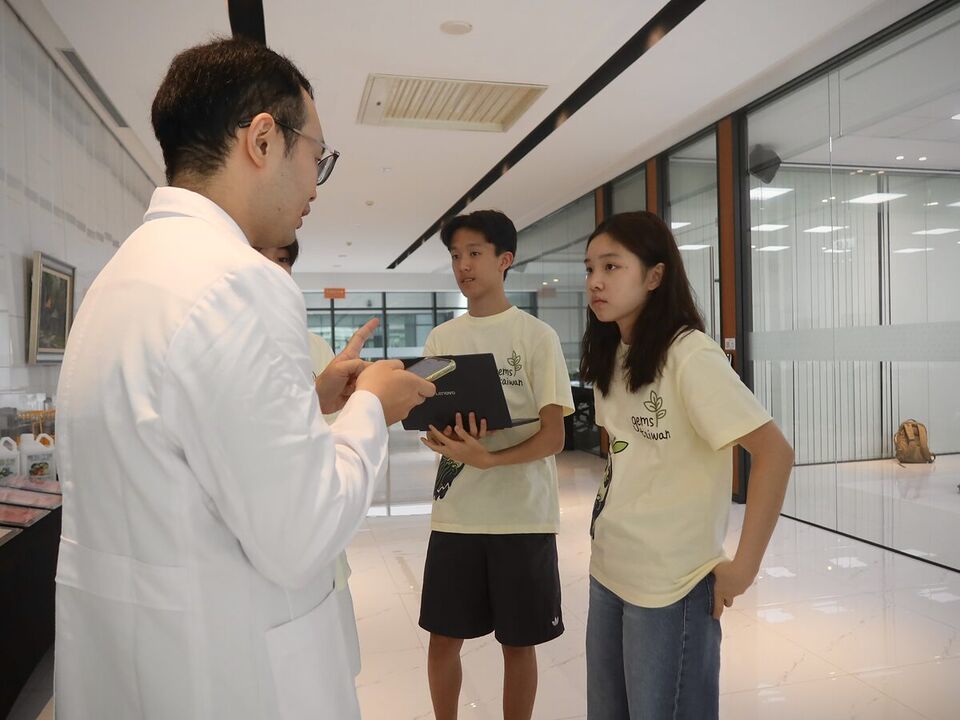
Industry Stakeholders
Showed us the barriers between production and access.


Built from the needs of one farm, one field at a time.



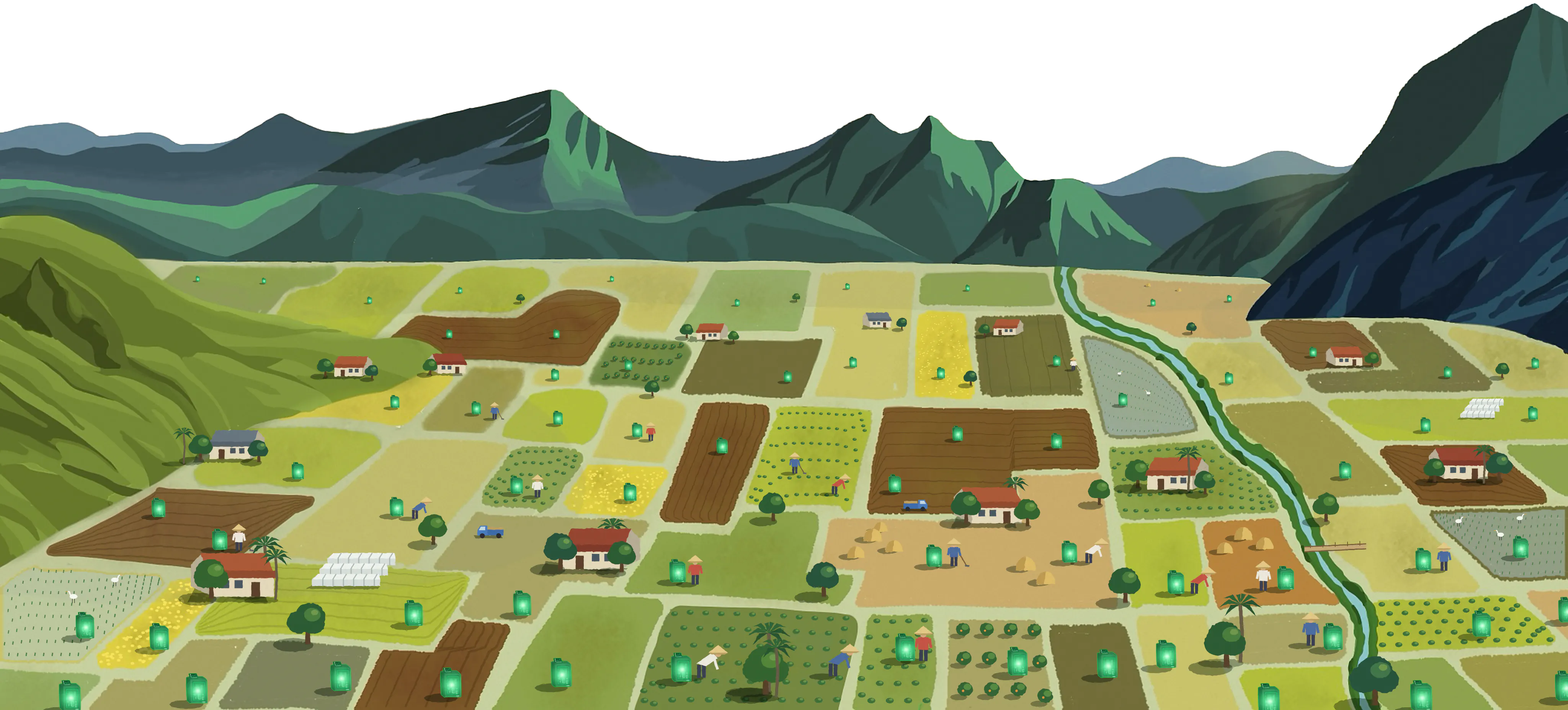
Every farmera biomanufacturer.
Toward a future where plant protection lies in each farmer’s hands.
Explore ReLEAF


With thanks to
 Green Media
 2nd ISLSDR, NCHU
 CH Biotech
 World Vegetable Center
 Yes Health iFarm
- Tamsui Happy Farm
- Lanyang River Friendly Farming Cooperative
 Water Garden Organic Farmers’ Market
 Taipei Expo Farmers Market
 IDT
 SnapGene
 Twist Bioscience
 Claude
 GenScript